Understanding Aluminium Fabrication Processes
Aluminium fabrication is an integral aspect of modern construction and manufacturing. Transforming raw aluminium into complex and functional products involves several elaborate processes tailored to meet specific project requirements. From the fabrication of intricately designed gates to the construction of durable windows, aluminium fabrication is utilized across various industries, particularly in the UAE where the coastal environment poses unique challenges. When exploring options, Aluminium fabrication offers comprehensive insights into high-quality production methods and client-centered approaches.
What Is Aluminium Fabrication?
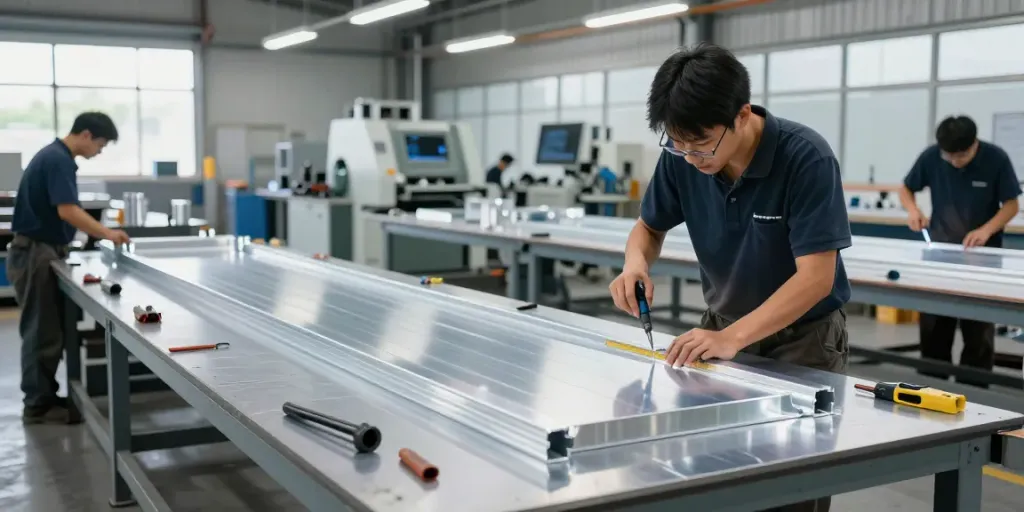
Aluminium fabrication encompasses the processes involved in converting aluminium materials into finished products. It typically involves cutting, bending, welding, and assembling metal pieces to create components that adhere to the precise specifications required by clients. The versatility of aluminium, coupled with its lightweight and corrosion-resistant properties, makes it a favored choice in construction and manufacturing sectors.
Key Techniques in Aluminium Fabrication
The process of aluminium fabrication employs various techniques, each catering to different project needs. Some of the most widely used techniques include:
- CNC Machining: Precision machining using computer-controlled tools to enhance accuracy and efficiency.
- Welding: Joining aluminium pieces together through various welding methods, including MIG and TIG welding, ensuring strong and durable connections.
- Hydroforming: A method that uses high-pressure fluids to shape aluminium into complex designs without the need for extensive tooling.
- Laser Cutting: High-precision cutting technique that uses laser technology to produce clean edges and intricate patterns.
The Importance of Quality Control
Quality control is paramount in aluminium fabrication. It ensures that the final products meet industry standards and client expectations. This is achieved through rigorous testing, inspection at various fabrication stages, and adherence to established quality assurance protocols. Investing in quality control not only minimizes waste and rework but also enhances customer satisfaction and loyalty.
Benefits of In-House Aluminium Fabrication
Choosing in-house aluminium fabrication has significant advantages over outsourcing the process. Not only does it streamline operations, but it also provides greater control over quality and timelines.
Cost Efficiency and Time Management
In-house fabrication significantly reduces costs associated with third-party logistics and coordination. When materials and processes are managed under one roof, it minimizes delays, leading to faster turnaround times for projects. This is particularly beneficial for contractors who require timely completion of fit-outs and installations.
Ensuring Quality and Consistency
By handling fabrication internally, companies retain full control over every aspect of production. This results in consistent quality since the same skilled team oversees all processes—from initial design to final installation. It ensures that clients receive products that match their specifications and uphold the company’s reputation for excellence.
Custom Solutions for Unique Projects
In-house capabilities enable businesses to offer bespoke solutions tailored to the individual needs of their clients. Whether it’s a custom gate for a villa or specialized window frames for a new commercial project, the flexibility of in-house fabrication allows for innovative designs and quick modifications as needed.
Challenges in Aluminium Fabrication
Despite the numerous advantages of aluminium fabrication, several challenges can arise throughout the process.
Common Misconceptions and Obstacles
Many clients may have misconceptions about the durability and maintenance requirements of aluminium products. It is crucial for fabrication firms to educate their clients about the longevity and low maintenance of high-quality aluminium designs, especially in coastal regions prone to corrosion.
Sourcing Quality Materials
Obtaining high-grade aluminium is essential for fabricators. The fluctuating prices and availability of materials can impact project costs and timelines. Building strong relationships with suppliers and consistently evaluating material quality helps mitigate these risks.
Staying Compliant with Industry Standards
With ever-evolving building codes and industry standards, staying compliant is a challenge for aluminium fabricators. Regular training for staff and continuous monitoring of regulatory changes are necessary to ensure all projects adhere to safety and environmental standards.
Best Practices for Effective Aluminium Fabrication
Implementing best practices in aluminium fabrication can significantly enhance operational efficiency and product quality.
Investing in Modern Equipment
Utilizing state-of-the-art machinery and tools can drastically improve the precision and efficiency of aluminium fabrication processes. Investing in advanced technology reduces human error and increases productivity, allowing for larger project volumes to be completed on time.
Training and Development for Staff
A well-trained workforce is essential for successful aluminium fabrication. Continuous education and skill development programs empower employees to master new techniques and adapt to technological advancements, ensuring high-quality work.
Implementing Lean Manufacturing Principles
Lean manufacturing focuses on minimizing waste and maximizing efficiency. By adopting these principles, aluminium fabrication businesses can streamline their processes, reduce costs, and improve lead times without sacrificing quality.
Future Trends in Aluminium Fabrication
The landscape of aluminium fabrication is continuously evolving, shaped by technological advancements and market demands.
Emerging Technologies and Innovations
Tech innovations such as automation and Industry 4.0 solutions are rapidly changing how aluminium fabrication is conducted. These technologies enhance precision, reduce labor costs, and enable real-time monitoring of production processes, improving overall efficiency.
Predicted Industry Growth for 2026
The aluminium fabrication industry is expected to experience significant growth in the coming years. With the global push towards sustainable building materials, the demand for aluminium products is likely to surge as more architects and developers seek eco-friendly options for construction.
Environmental Considerations and Sustainability
As environmental regulations become stricter, aluminium fabricators must prioritize sustainability. This includes sourcing recyclable materials, adopting eco-friendly practices in manufacturing, and ensuring that products are designed with end-of-life recyclability in mind.
What are the key advantages of aluminium fabrication?
Aluminium fabrication offers numerous benefits, including lightweight construction, corrosion resistance, and the ability to create custom designs. These advantages make aluminium a preferred material for various applications, from residential to commercial projects.
How does aluminium fabrication impact construction projects?
The impact of aluminium fabrication on construction projects is profound, as it determines the quality, durability, and aesthetic appeal of the final build. Efficient fabrication practices ensure that projects are completed on time and within budget, enhancing client satisfaction.
What are the costs associated with aluminium fabrication?
Costs in aluminium fabrication can vary widely based on factors such as material prices, complexity of designs, and labor. However, the investment in quality fabrication often results in long-term savings due to reduced maintenance and repair costs.
Can I learn aluminium fabrication as a beginner?
Yes, beginners can learn aluminium fabrication through technical schools, community colleges, or apprenticeships. Many resources are available to help novices understand the basics of working with aluminium, from safety protocols to fabrication techniques.
What industries benefit the most from aluminium fabrication?
Numerous industries benefit from aluminium fabrication, including construction, automotive, aerospace, and manufacturing. The versatility and adaptability of aluminium make it suitable for a wide range of applications, from structural components to aesthetic finishes.